

Hey there, fellow cycling enthusiasts! As a supplier of Cycling Base Layer, I often get asked whether one should use fabric softener when washing a cycling base layer. It's a question that might seem simple at first glance, but there's actually a lot to unpack.
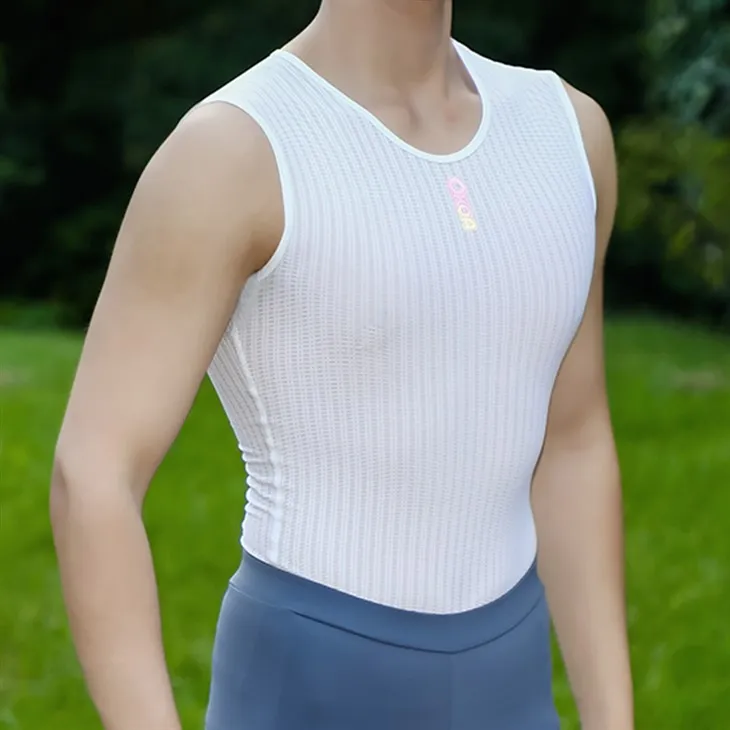
Let's start by understanding what a cycling base layer is and why it's so important. A cycling base layer is the first layer of clothing you wear next to your skin when cycling. Its main job is to wick away sweat from your body, keeping you dry and comfortable during your ride. This is crucial because wet clothing can make you feel cold and can also lead to chafing and skin irritations.
Now, let's talk about fabric softeners. Fabric softeners are products that are added to the rinse cycle of a washing machine to make clothes feel softer, reduce static cling, and give them a nice smell. They work by coating the fibers of the fabric with a thin layer of chemicals.
So, should you use fabric softener on your cycling base layer? Well, the short answer is probably not. Here's why.
The Science Behind It
Most cycling base layers are made from synthetic materials like polyester or nylon, or natural fibers like merino wool. These materials are chosen for their moisture-wicking properties. Fabric softeners, however, can interfere with this process.
When you use fabric softener, it deposits a thin film on the fibers of the base layer. This film can block the tiny pores in the fabric that are responsible for wicking away sweat. As a result, the base layer becomes less effective at keeping you dry.
For example, let's say you're out on a long bike ride on a hot day. Your body is sweating a lot, and your base layer is supposed to be working hard to move that sweat away from your skin. But if you've used fabric softener, the sweat might get trapped against your skin, making you feel uncomfortable and potentially leading to overheating.
The Impact on Durability
Another reason to avoid fabric softeners is that they can reduce the durability of your cycling base layer. The chemicals in fabric softeners can break down the fibers of the fabric over time, causing it to wear out faster.
Synthetic fibers like polyester are known for their strength and durability. But when they're exposed to fabric softeners, they can become weaker and more prone to tearing. Merino wool, on the other hand, is a natural fiber that is already quite delicate. Fabric softeners can damage the wool fibers, making the base layer lose its shape and insulation properties.
The Smell Factor
Some people might think that using fabric softener will make their cycling base layer smell better. While it's true that fabric softeners can give clothes a pleasant fragrance, this is not the best way to keep your base layer smelling fresh.
Cycling base layers are designed to be breathable, which means they allow air to circulate and help prevent the buildup of odor-causing bacteria. When you use fabric softener, it can clog the pores in the fabric, creating a warm, moist environment where bacteria can thrive. This can actually make your base layer smell worse in the long run.
So, if you want to keep your cycling base layer smelling fresh, it's better to use a mild detergent that is specifically designed for activewear. These detergents are formulated to remove sweat and odor without damaging the fabric.
Alternatives to Fabric Softener
If you're used to the soft feel that fabric softener provides, don't worry. There are other ways to make your cycling base layer feel comfortable without sacrificing its performance.
One option is to use vinegar. Vinegar is a natural fabric softener that can help remove dirt and odors from your base layer. Simply add half a cup of white vinegar to the rinse cycle of your washing machine. Vinegar is also gentle on the fabric and won't interfere with its moisture-wicking properties.
Another option is to use a fabric conditioner that is specifically designed for activewear. These products are formulated to be gentle on synthetic and natural fibers while still providing a soft feel. They don't contain the same chemicals as traditional fabric softeners, so they won't block the pores in your base layer.
Maintaining Your Cycling Base Layer
In addition to avoiding fabric softeners, there are other things you can do to keep your cycling base layer in good condition.
First, always read the care instructions on the label of your base layer. Different materials require different washing methods, so it's important to follow the manufacturer's recommendations.
Second, wash your base layer after each use. This will help remove sweat, dirt, and bacteria from the fabric. Use a mild detergent and a gentle cycle on your washing machine.
Third, avoid using bleach or fabric softeners. These products can damage the fabric and reduce its performance.

Finally, dry your base layer properly. Avoid using a dryer on high heat, as this can shrink the fabric and damage the fibers. Instead, hang your base layer to dry in a well-ventilated area.
Other Cycling Accessories
While we're on the topic of cycling gear, let's not forget about Cycling Socks. Just like your base layer, cycling socks are designed to wick away sweat and keep your feet dry and comfortable.
When washing your cycling socks, it's also a good idea to avoid using fabric softener. The same principles apply – fabric softeners can interfere with the moisture-wicking properties of the socks and reduce their durability.
Conclusion
As a supplier of Cycling Base Layer, I highly recommend avoiding fabric softeners when washing your cycling base layer. By doing so, you'll ensure that your base layer performs at its best, keeping you dry, comfortable, and protected during your rides.
If you're in the market for high-quality cycling base layers or other cycling accessories, I'd love to hear from you. Whether you're a professional cyclist, a weekend warrior, or a cycling team looking to stock up on gear, we've got you covered. Contact us to discuss your needs and let's find the perfect products for you.
References
- "The Science of Moisture Wicking Fabrics." Textile Research Journal.
- "How Fabric Softeners Affect Clothing Performance." Journal of Home Economics.
- "Caring for Your Cycling Gear." Cycling Magazine.
