

Can a Cycling Base Layer be Recycled?
As a supplier of Cycling Base Layer, I often get asked about the recyclability of our products. This is a crucial question in today's environmentally - conscious world, where consumers are increasingly concerned about the ecological impact of the items they purchase.
The Composition of Cycling Base Layers
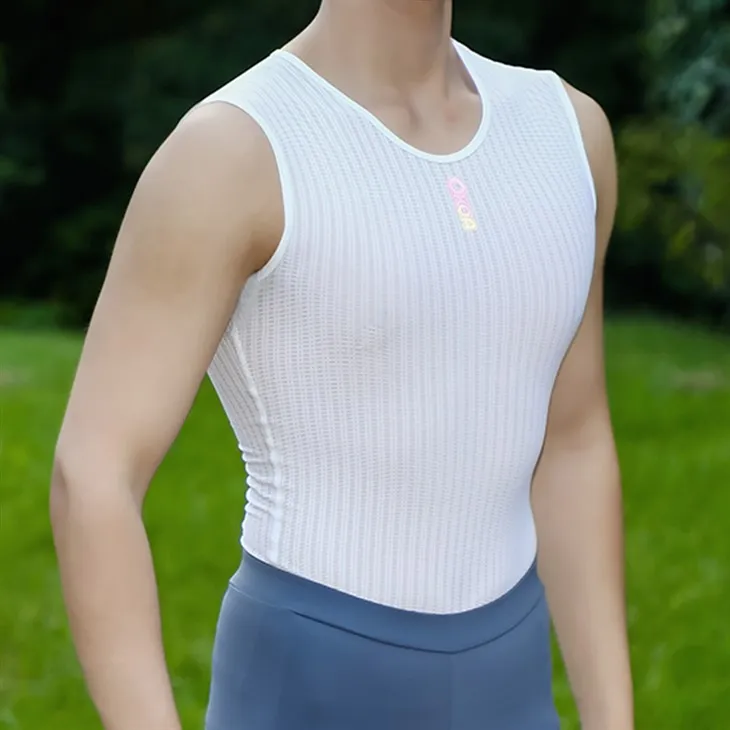
Cycling base layers are designed to provide comfort, moisture - wicking, and temperature regulation for cyclists. They are typically made from a variety of materials, and understanding these materials is key to determining their recyclability.
Most cycling base layers are made from synthetic fibers such as polyester, nylon, and elastane. Polyester is a popular choice because it is durable, quick - drying, and can be engineered to have excellent moisture - wicking properties. Nylon is also used for its strength and abrasion resistance, while elastane provides stretch and flexibility, allowing the base layer to move with the cyclist's body.
In addition to synthetic fibers, some base layers may incorporate natural fibers like merino wool. Merino wool is a great option as it is breathable, odor - resistant, and has natural temperature - regulating properties. However, the combination of different fibers in a single base layer can complicate the recycling process.
Recycling Synthetic - Based Cycling Base Layers
When it comes to recycling synthetic cycling base layers, the process is possible but not without challenges. Polyester and nylon are both forms of plastic, and in theory, they can be recycled.
The most common method of recycling polyester is mechanical recycling. In this process, the polyester base layer is shredded into small pieces, melted down, and then reformed into new polyester fibers. However, this process has limitations. Each time polyester is recycled mechanically, the quality of the fibers degrades slightly. After a few cycles, the recycled polyester may not be suitable for high - performance applications like cycling base layers.

Another method is chemical recycling. Chemical recycling breaks down the polyester polymer into its basic monomers, which can then be used to create new, high - quality polyester. This method can produce recycled polyester that is almost as good as virgin polyester. However, chemical recycling facilities are still relatively rare and expensive to operate.
Elastane, on the other hand, poses a greater challenge for recycling. Elastane is a complex polymer that is difficult to separate from other fibers in the base layer. As a result, most recycling processes struggle to handle base layers that contain a significant amount of elastane.
Recycling Merino Wool - Based Cycling Base Layers
Merino wool is a natural fiber, and in an ideal world, it should be more easily recyclable than synthetic fibers. Wool can be composted, which means it will break down naturally over time. However, when it comes to recycling merino wool cycling base layers, the presence of other fibers and finishes can make the process more complicated.
Many merino wool base layers are blended with synthetic fibers to enhance their performance. Separating the wool from the synthetic fibers is a difficult and labor - intensive process. Additionally, some base layers may have been treated with chemicals to improve their water - repellency or antibacterial properties. These chemicals can interfere with the natural decomposition of the wool and may also pose challenges for recycling.
The Current State of Recycling for Cycling Base Layers
Currently, the recycling rate for cycling base layers is relatively low. There are several reasons for this. Firstly, the complex composition of many base layers makes them difficult to recycle using existing technologies. Secondly, there is a lack of awareness among consumers about the importance of recycling these products and where they can be recycled.
Some cycling brands and retailers are starting to take steps to address this issue. They are exploring more sustainable manufacturing processes, using more easily recyclable materials, and setting up take - back programs. These take - back programs allow consumers to return their old cycling base layers to the brand or retailer, who then attempt to recycle or upcycle them.
Our Initiatives as a Supplier
As a Cycling Base Layer supplier, we are committed to reducing the environmental impact of our products. We are constantly researching and developing new materials and manufacturing processes that are more sustainable.
We are exploring the use of recycled polyester in our base layers. By using recycled materials, we can reduce the demand for virgin polyester and decrease the amount of plastic waste in the environment. We are also looking into ways to make our base layers easier to recycle at the end of their life. This includes simplifying the fiber composition and using fewer chemicals in the manufacturing process.
In addition to our product - related initiatives, we are also working on educating our customers about the importance of recycling. We provide information on our website about how to recycle our products and encourage our customers to participate in take - back programs if available.
The Role of Consumers
Consumers play a vital role in the recycling of cycling base layers. By making informed purchasing decisions, they can choose products that are more easily recyclable. For example, they can look for base layers that are made from a single type of fiber or that have a high percentage of recycled materials.
Consumers can also take steps to extend the life of their cycling base layers. This includes proper care and maintenance, such as following the washing instructions carefully. By keeping their base layers in good condition for longer, consumers can reduce the frequency of replacement and ultimately reduce waste.
When it comes time to replace their base layers, consumers should make an effort to recycle them properly. They can check with local recycling facilities to see if they accept cycling base layers. If not, they can look for take - back programs offered by brands or retailers.
Related Cycling Products and Recycling
It's not just cycling base layers that need attention when it comes to recycling. Other cycling accessories like Cycling Socks also have an environmental impact. Cycling socks are often made from similar materials to base layers, including synthetic fibers and sometimes natural fibers.
The same challenges apply to recycling cycling socks as to base layers. The complex fiber composition and the presence of elastane can make them difficult to recycle. However, similar initiatives are being taken in the cycling sock industry, such as using recycled materials and promoting take - back programs.
Contact Us for Sustainable Cycling Gear
If you are interested in purchasing high - quality, sustainable Cycling Base Layer or other cycling products, we invite you to contact us. We are dedicated to providing our customers with products that not only perform well but also have a minimal environmental impact. Whether you are a professional cyclist or a casual rider, our range of products is designed to meet your needs. We look forward to discussing your requirements and helping you find the perfect cycling gear.
References
- "Recycling of Textiles: A Review" by X. Wang, et al.
- "Sustainable Textile Fibers and Their Applications" edited by S. Mishra.
- Industry reports on the cycling apparel market and sustainable manufacturing practices.
